










































No posts found
Try adjusting your filters or wait for the worker to classify more posts.


Feeling somewhat romantic while going through The Truce [Eng/Esp]
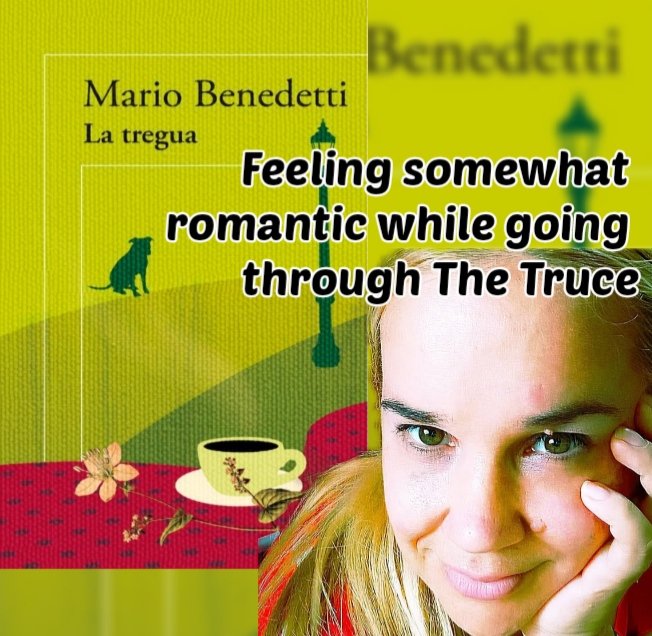
Today I feel a little romantic and a little sad, like that strange mix that sometimes visits us without warning, like a lump in the throat that never quite forms but never quite dissolves either. In these days, I always return to The Truce by Mario Benedetti. I return to this book as one returns to a house that is no longer theirs, but where they were once deeply happy.
I remember the first time I read it. I was twenty, or maybe a little less, and I devoured it over a couple of sleepless nights. Back then, it seemed to me a beautiful and tragic story, an everyday love interrupted by death. But over the years, with each rereading, the book has changed with me. It is no longer just the story of Martín Santomé and Laura Avellaneda; it is the chronicle of that pause that life grants us when we least expect it, the truce.

Benedetti had the gift of writing about small things with immense depth. He captured the monotony of an office, secret coffees, Thursdays that cease to be gray because someone looks at you differently. And that someone bursts into the routine of a forty-nine-year-old widower with children he no longer understands, and returns to him the possibility of feeling alive. The Truce is not just a novel about love, but about the courage to keep feeling when life has already taught you that hurting hurts.
Today, with this melancholy embracing me, I think about how we cling to those small rituals that the book portrays with such precision through Martín’s diary, that logbook of a man who told himself his own story so as not to get lost. Benedetti taught me that love also resides in details: in a shared cup of coffee, in a timely word, in the complicity that blossoms amidst indifference.

There is also the other side, the one that hurts a bit more today: fragility, time that is never enough, the certainty that all good things are merely an interval. Laura’s death remains one of the scenes that has marked me the most because it is not grandiloquent; there is no bombast. Instead, it portrays the void left when someone departs, and with them, they take the light from Thursdays.
That is why when I feel like this, romantic and sad at the same time, I am grateful to have found this book. I am grateful that Benedetti knew how to write about vulnerability without shame, about the fear of growing old, about that love that pulls us out of the lethargy of identical days, even if it later leaves us empty-handed. Reading The Truce is accepting that happiness, when it arrives, is always a parenthesis.

Today, like Martín Santomé, I find myself reminiscing, remembering loves that were barely a chapter yet changed everything. I allow myself that gentle sadness, because it too is part of having loved. Benedetti’s literature sustains me on these days of shifting moods and reminds me that it is okay to feel this way, that the heart has its climates and we need not demand an explanation from it.
If someone asks me why this book remains so important to me, I will tell them it is because it taught me that love is not measured in years, but in intensity; that a truce can be enough to justify a life; and that sometimes, when routine threatens to turn us to stone, someone appears who returns to us the capacity to tremble.

Today, I thank Benedetti for having given me, among so many things, the possibility of naming this state of the soul with the same honesty with which Martín filled his notebooks.
Until the next book!

✨ 𝑻𝒉𝒂𝒏𝒌𝒔 𝒇𝒐𝒓 𝒓𝒆𝒂𝒅𝒊𝒏𝒈! ✨
𝑰𝒇 𝒚𝒐𝒖 𝒅𝒐𝒏’𝒕 𝒌𝒏𝒐𝒘 𝒎𝒆 𝒚𝒆𝒕, 𝑰’𝒎 𝒂 𝑪𝒖𝒃𝒂𝒏 𝒏𝒆𝒖𝒓𝒐𝒍𝒐𝒈𝒊𝒔𝒕 𝒂𝒏𝒅 𝒘𝒓𝒊𝒕𝒆𝒓, 𝒂 𝒎𝒐𝒕𝒉𝒆𝒓, 𝒂 𝒘𝒐𝒎𝒂𝒏, 𝒂𝒏𝒅 𝒂 𝒅𝒓𝒆𝒂𝒎𝒆𝒓 𝒘𝒉𝒐’𝒔 𝒇𝒐𝒖𝒏𝒅 𝒊𝒏 𝑯𝒊𝒗𝒆 𝒂 𝒃𝒆𝒂𝒖𝒕𝒊𝒇𝒖𝒍 𝒔𝒑𝒂𝒄𝒆 𝒕𝒐 𝒔𝒐𝒂𝒓.
𝑨𝒍𝒍 𝒕𝒆𝒙𝒕 𝒂𝒏𝒅 𝒊𝒎𝒂𝒈𝒆𝒔 𝒂𝒓𝒆 𝒎𝒚 𝒐𝒓𝒊𝒈𝒊𝒏𝒂𝒍 𝒄𝒓𝒆𝒂𝒕𝒊𝒐𝒏𝒔, 100% 𝒉𝒖𝒎𝒂𝒏-𝒎𝒂𝒅𝒆 (𝒏𝒐 𝑨𝑰).
𝑩𝒂𝒏𝒏𝒆𝒓 𝒅𝒆𝒔𝒊𝒈𝒏𝒆𝒅 𝒃𝒚 𝑳𝒖𝒎𝒊𝒊.
𝑳𝒐𝒗𝒆𝒅 𝒕𝒉𝒊𝒔 𝒑𝒐𝒔𝒕? 𝑼𝒑𝒗𝒐𝒕𝒆, 𝒄𝒐𝒎𝒎𝒆𝒏𝒕, 𝒐𝒓 𝒓𝒆𝒃𝒍𝒐𝒈 𝒕𝒐 𝒔𝒑𝒓𝒆𝒂𝒅 𝒕𝒉𝒆 𝒘𝒊𝒏𝒈𝒔 𝒐𝒇 𝒄𝒓𝒆𝒂𝒕𝒊𝒗𝒊𝒕𝒚! 💛
 ###
###
Sintiéndome un tanto romántica mientras recorro La Tregua

Hoy me siento un poco romántica y un poco triste, como esa mezcla extraña que a veces nos visita sin avisar, como un nudo en la garganta que no termina de formarse pero tampoco se disuelve. En estos días siempre vuelvo a La tregua, de Mario Benedetti. Vuelvo a este libro como quien regresa a una casa que ya no es la suya, pero donde alguna vez fue profundamente feliz.
Recuerdo la primera vez que lo leí. Tenía veinte años, o quizá un poco menos, y lo devoré en un par de noches de insomnio. Me pareció entonces una historia hermosa y trágica, un amor cotidiano interrumpido por la muerte. Pero con los años, con cada relectura, el libro fue cambiando conmigo. Ya no es solo la historia de Martín Santomé y Laura Avellaneda, sino la crónica de esa pausa que la vida nos concede cuando menos lo esperamos, la tregua.
Benedetti tuvo el don de escribir sobre lo pequeño con una hondura enorme. Recreó la monotonía de una oficina, los cafés a escondidas, los jueves que dejan de ser grises porque alguien te mira de un modo distinto. Y ese alguien irrumpe en la rutina de un hombre de cuarenta y nueve años, viudo, con hijos que ya no entiende, y le devuelve la posibilidad de sentirse vivo. La tregua no es solo una novela sobre el amor, sino sobre la valentía de seguir sintiendo cuando la vida ya te ha enseñado que doler duele.
Hoy, con esta melancolía que me abraza, pienso en cómo nos aferramos a esos pequeños rituales que el libro retrata con tanta precisión mediante el diario de Martín, esa bitácora de un hombre que se contaba a sí mismo para no perderse. Benedetti me enseñó que el amor también está en los detalles, en una taza de café compartida, en una frase dicha a tiempo, en la complicidad que florece en medio de la indiferencia.
También está la otra cara, la que hoy me duele un poco más: la fragilidad, el tiempo que nunca alcanza, la certeza de que todo lo bueno es apenas un intervalo. La muerte de Laura sigue siendo una de las escenas que más me han marcado porque no es grandilocuente, no hay estridencias, sino que retrata el vacío que queda cuando alguien se va y con él se lleva la luz de los jueves.
Por eso cuando me siento así, romántica y triste a la vez, agradezco haber encontrado este libro y agradezco que Benedetti supiera escribir sobre la vulnerabilidad sin vergüenza, sobre el miedo a envejecer, sobre ese amor que nos saca de la modorra de los días iguales aunque después nos deje con las manos vacías. Leer La tregua es aceptar que la felicidad, cuando llega, es siempre un paréntesis.
Hoy, como Martín Santomé, también me descubro haciendo memoria y recordando amores que fueron apenas un capítulo y sin embargo lo cambiaron todo. Me permito esa tristeza suave, porque también es parte de haber amado. La literatura de Benedetti me sostiene en estos días de humor cambiante y me recuerda que está bien sentirse así, que el corazón tiene sus climas y que no hay que pedirle cuentas.
Si alguien me pregunta por qué este libro sigue siendo tan importante para mí, le diré que es porque me enseñó que el amor no se mide en años, sino en intensidad, y que una tregua puede ser suficiente para justificar una vida, y que a veces, cuando la rutina amenaza con volvernos de piedra, aparece alguien que nos devuelve la capacidad de temblar.
Hoy le doy las gracias a Benedetti por haberme regalado, entre tantas cosas, la posibilidad de nombrar este estado del alma con la misma honestidad con la que Martín llenaba sus cuadernos.
¡Hasta el próximo libro!

✨ ¡𝑮𝒓𝒂𝒄𝒊𝒂𝒔 𝒑𝒐𝒓 𝒍𝒆𝒆𝒓! ✨
𝑺𝒊 𝒂ú𝒏 𝒏𝒐 𝒎𝒆 𝒄𝒐𝒏𝒐𝒄𝒆𝒔: 𝒔𝒐𝒚 𝒏𝒆𝒖𝒓ó𝒍𝒐𝒈𝒂 𝒚 𝒆𝒔𝒄𝒓𝒊𝒕𝒐𝒓𝒂 𝒄𝒖𝒃𝒂𝒏𝒂, 𝒎𝒂𝒅𝒓𝒆, 𝒎𝒖𝒋𝒆𝒓 𝒚 𝒔𝒐ñ𝒂𝒅𝒐𝒓𝒂 𝒒𝒖𝒆 𝒆𝒏𝒄𝒐𝒏𝒕𝒓ó 𝒆𝒏 𝑯𝒊𝒗𝒆 𝒖𝒏 𝒉𝒆𝒓𝒎𝒐𝒔𝒐 𝒆𝒔𝒑𝒂𝒄𝒊𝒐 𝒑𝒂𝒓𝒂 𝒗𝒐𝒍𝒂𝒓.
𝑬𝒍 𝒕𝒆𝒙𝒕𝒐 𝒚 𝒍𝒂𝒔 𝒊𝒎á𝒈𝒆𝒏𝒆𝒔 𝒔𝒐𝒏 𝒅𝒆 𝒎𝒊 𝒂𝒖𝒕𝒐𝒓í𝒂, 100% 𝒉𝒖𝒎𝒂𝒏𝒐𝒔 (𝒔𝒊𝒏 𝑰𝑨).
𝑩𝒂𝒏𝒏𝒆𝒓 𝒅𝒊𝒔𝒆ñ𝒂𝒅𝒐 𝒑𝒐𝒓 𝑳𝒖𝒎𝒊𝒊.
¿𝑻𝒆 𝒈𝒖𝒔𝒕ó 𝒆𝒔𝒕𝒂 𝒑𝒖𝒃𝒍𝒊𝒄𝒂𝒄𝒊ó𝒏? 𝑽𝒐𝒕𝒂, 𝒄𝒐𝒎𝒆𝒏𝒕𝒂 𝒐 𝒓𝒆𝒃𝒍𝒐𝒈𝒖𝒆𝒂 𝒑𝒂𝒓𝒂 𝒂𝒚𝒖𝒅𝒂𝒓 𝒂 𝒅𝒆𝒔𝒑𝒍𝒆𝒈𝒂𝒓 𝒆𝒔𝒕𝒂𝒔 𝒂𝒍𝒂𝒔. 💛
Comments
1 comment