Login with Hive Keychain
Enter your Hive username to sign in securely.
Welcome to HiveComb
HiveComb runs on Hive — an open, decentralized blockchain where your posts, votes, and communities belong to you, not a company. To get started, follow these steps:
Create a Hive account
Set up your free account — it only takes a minute.
Install Hive Keychain
A browser extension that securely signs your transactions — your keys never leave your device.
Refresh & log in
Once Keychain is installed, refresh this page and click Login again.
Need help? Join our Discord and we'll help you get set up.
No account? Create one
Having trouble creating your account? Come to our Discord and we'll get you set up.
















































No posts found
Try adjusting your filters or wait for the worker to classify more posts.
 @theworldaroundme
· Mar 20 01:32 AM
@theworldaroundme
· Mar 20 01:32 AM
 @bitcoinman
· Mar 20 01:32 AM
@bitcoinman
· Mar 20 01:32 AM
 @duo-curator
· Mar 20 01:31 AM
@duo-curator
· Mar 20 01:31 AM
 @keeideas
· Mar 20 01:31 AM
@keeideas
· Mar 20 01:31 AM
 @damoclesart
· Mar 20 01:26 AM
@damoclesart
· Mar 20 01:26 AM
 @cajiro
· Mar 20 01:24 AM
@cajiro
· Mar 20 01:24 AM
 @syllem
· Mar 20 01:17 AM
@syllem
· Mar 20 01:17 AM
 @viviehardika
· Mar 20 01:15 AM
@viviehardika
· Mar 20 01:15 AM
 @davixesk8
· Mar 20 01:15 AM
@davixesk8
· Mar 20 01:15 AM
 @jmjury
· Mar 20 01:14 AM
@jmjury
· Mar 20 01:14 AM
 @ghouse25
· Mar 20 01:13 AM
@ghouse25
· Mar 20 01:13 AM
 @takeru255
· Mar 20 01:11 AM
@takeru255
· Mar 20 01:11 AM
 @eugelys
· Mar 20 01:10 AM
@eugelys
· Mar 20 01:10 AM
 @issymarie2
· Mar 20 01:10 AM
@issymarie2
· Mar 20 01:10 AM
 @tikatarot
· Mar 20 01:10 AM
@tikatarot
· Mar 20 01:10 AM
 @suenadal
· Mar 20 01:09 AM
@suenadal
· Mar 20 01:09 AM
 @kawsar8035
· Mar 20 01:02 AM
@kawsar8035
· Mar 20 01:02 AM
 @hiveph
· Mar 20 01:00 AM
@hiveph
· Mar 20 01:00 AM
 @cautiva-30
· Mar 20 01:00 AM
@cautiva-30
· Mar 20 01:00 AM
 @sakurakko
· Mar 20 01:00 AM
@sakurakko
· Mar 20 01:00 AM
 @abneagro
· Mar 20 12:57 AM
@abneagro
· Mar 20 12:57 AM
 @emmanuel50
· Mar 20 12:55 AM
@emmanuel50
· Mar 20 12:55 AM
 @hivedebit
· Mar 20 12:55 AM
@hivedebit
· Mar 20 12:55 AM
 @nancybriti1
· Mar 20 12:53 AM
@nancybriti1
· Mar 20 12:53 AM
 @vasigo
· Mar 20 12:53 AM
@vasigo
· Mar 20 12:53 AM
 @justclickindiva
· Mar 20 12:52 AM
@justclickindiva
· Mar 20 12:52 AM
 @chronocrypto
· Mar 20 12:51 AM
@jmjury
· Mar 20 12:51 AM
@chronocrypto
· Mar 20 12:51 AM
@jmjury
· Mar 20 12:51 AM
 @ernesto6402
· Mar 20 12:50 AM
@ernesto6402
· Mar 20 12:50 AM
 @yonilkar
· Mar 20 12:49 AM
@yonilkar
· Mar 20 12:49 AM
 @aburihan1
· Mar 20 12:48 AM
@aburihan1
· Mar 20 12:48 AM
 @zusi78
· Mar 20 12:46 AM
@zusi78
· Mar 20 12:46 AM
 @bullion-guide
· Mar 20 12:45 AM
@bullion-guide
· Mar 20 12:45 AM
 @lorennys
· Mar 20 12:45 AM
@lorennys
· Mar 20 12:45 AM
 @ariannysg
· Mar 20 12:40 AM
@ariannysg
· Mar 20 12:40 AM
 @breakaway.app
· Mar 20 12:31 AM
@breakaway.app
· Mar 20 12:31 AM
 @tdvtv
· Mar 20 12:31 AM
@tdvtv
· Mar 20 12:31 AM
 @tonyes
· Mar 20 12:24 AM
@tonyes
· Mar 20 12:24 AM
 @wiseagent
· Mar 20 12:23 AM
@wiseagent
· Mar 20 12:23 AM
 @leidimarc
· Mar 20 12:23 AM
@leidimarc
· Mar 20 12:23 AM
 @davidpena21
· Mar 20 12:21 AM
@davidpena21
· Mar 20 12:21 AM
 @alebee
· Mar 20 12:19 AM
@alebee
· Mar 20 12:19 AM
 @irenenavarroart
· Mar 20 12:17 AM
@irenenavarroart
· Mar 20 12:17 AM
 @nhaydu
· Mar 20 12:16 AM
@nhaydu
· Mar 20 12:16 AM
 @josueelinfame
· Mar 20 12:13 AM
@josueelinfame
· Mar 20 12:13 AM
 @ruta.loans
· Mar 20 12:13 AM
@ruta.loans
· Mar 20 12:13 AM
 @myothuzar
· Mar 20 12:12 AM
@myothuzar
· Mar 20 12:12 AM
 @amigoponc
· Mar 20 12:11 AM
@amigoponc
· Mar 20 12:11 AM
 @manuelgil64
· Mar 20 12:10 AM
@manuelgil64
· Mar 20 12:10 AM
 @janitzearratia
· Mar 20 12:10 AM
@janitzearratia
· Mar 20 12:10 AM
 @atyh
· Mar 20 12:10 AM
@atyh
· Mar 20 12:10 AM
 @helios.publisher
· Mar 20 12:05 AM
@helios.publisher
· Mar 20 12:05 AM
 @deeanndmathews
· Mar 20 12:05 AM
@deeanndmathews
· Mar 20 12:05 AM
 @abdullahkr
· Mar 20 12:05 AM
@abdullahkr
· Mar 20 12:05 AM
 @cetb2008
· Mar 20 12:03 AM
@cetb2008
· Mar 20 12:03 AM
 @arenaofroses
· Mar 20 12:03 AM
@arenaofroses
· Mar 20 12:03 AM
 @muhammadhalim
· Mar 20 12:03 AM
@muhammadhalim
· Mar 20 12:03 AM
 @pimp.token
· Mar 20 12:00 AM
@pimp.token
· Mar 20 12:00 AM
 @runwayshutter
· Mar 19 11:58 PM
@runwayshutter
· Mar 19 11:58 PM
 @alpha-omega
· Mar 19 11:57 PM
@alpha-omega
· Mar 19 11:57 PM
No posts found
Try adjusting your filters or wait for the worker to classify more posts.
@theworldaroundme
· Mar 20 01:32 AM
News & Viewsfinance
@bitcoinman
· Mar 20 01:32 AM
The City of Neoxianfinanceprecious-metals
@duo-curator
· Mar 20 01:31 AM
The City of Neoxianteam-sports
@keeideas
· Mar 20 01:31 AM
Proof of Braineducationphilosophy
@damoclesart
· Mar 20 01:26 AM
Sketchbookart
@cajiro
· Mar 20 01:24 AM
Alientoeducation
@syllem
· Mar 20 01:17 AM
Womentribewriting
@viviehardika
· Mar 20 01:15 AM
ASEAN HIVE COMMUNITYtravel
@davixesk8
· Mar 20 01:15 AM
Musicmusic
@jmjury
· Mar 20 01:14 AM
finance
@ghouse25
· Mar 20 01:13 AM
Actifithealth-fitness
@takeru255
· Mar 20 01:11 AM
Hive Gaminggaming
@eugelys
· Mar 20 01:10 AM
Foodies Bee Hivefood
@issymarie2
· Mar 20 01:10 AM
Holos&Lotuswritingeducation
@tikatarot
· Mar 20 01:10 AM
Tarot Communityphilosophy
@suenadal
· Mar 20 01:09 AM
Liketudiy-craftseducation
@kawsar8035
· Mar 20 01:02 AM
Nature Observernature
@hiveph
· Mar 20 01:00 AM
hivecontests
@cautiva-30
· Mar 20 01:00 AM
Ladies of Hivesocial-issues
@sakurakko
· Mar 20 01:00 AM
Splinterlandsgaming
@abneagro
· Mar 20 12:57 AM
Amazing nature (AN)diy-craftsfood
@emmanuel50
· Mar 20 12:55 AM
Hive Open Micmusic
@hivedebit
· Mar 20 12:55 AM
Threespeakhive
@nancybriti1
· Mar 20 12:53 AM
Holos&Lotusmusicwriting
@vasigo
· Mar 20 12:53 AM
Actifithealth-fitness
@justclickindiva
· Mar 20 12:52 AM
Alien Art Hivewriting
@chronocrypto
· Mar 20 12:51 AM
LeoFinancefinance
@jmjury
· Mar 20 12:51 AM
finance
@ernesto6402
· Mar 20 12:50 AM
AFRI-TUNESmusic
@yonilkar
· Mar 20 12:49 AM
gaming
@aburihan1
· Mar 20 12:48 AM
Splinterlandsgaming
@zusi78
· Mar 20 12:46 AM
Indiaunitedhive
@bullion-guide
· Mar 20 12:45 AM
precious-metals
@lorennys
· Mar 20 12:45 AM
GEMSwriting
@ariannysg
· Mar 20 12:40 AM
GEMSdiy-craftsfashion
@breakaway.app
· Mar 20 12:31 AM
contests
@tdvtv
· Mar 20 12:31 AM
GEMSpolitics
@tonyes
· Mar 20 12:24 AM
writingeducation
@wiseagent
· Mar 20 12:23 AM
Loving HIVE ❤philosophy
@leidimarc
· Mar 20 12:23 AM
Family & Friendswritingdiy-crafts
@davidpena21
· Mar 20 12:21 AM
Hive Gamingvideodiy-crafts
@alebee
· Mar 20 12:19 AM
PhotoFeedphotography
@irenenavarroart
· Mar 20 12:17 AM
Top Familywritingsocial-issues
@nhaydu
· Mar 20 12:16 AM
Efemerides.comwritingdiy-crafts
@josueelinfame
· Mar 20 12:13 AM
Actifithealth-fitness
@ruta.loans
· Mar 20 12:13 AM
LeoFinancecrypto
@myothuzar
· Mar 20 12:12 AM
YAF - Young Art Fairart
@amigoponc
· Mar 20 12:11 AM
Top Familywritingdiy-crafts
@manuelgil64
· Mar 20 12:10 AM
PhotoFeedphotography
@janitzearratia
· Mar 20 12:10 AM
Reflectionsbooks
@atyh
· Mar 20 12:10 AM
HIVE CN 中文社区travel
@helios.publisher
· Mar 20 12:05 AM
crypto
@deeanndmathews
· Mar 20 12:05 AM
Freewriterswritingeducation
@abdullahkr
· Mar 20 12:05 AM
Nature Observernature
@cetb2008
· Mar 20 12:03 AM
Silver Bloggerseducation
@arenaofroses
· Mar 20 12:03 AM
Picture A Dayfood
@muhammadhalim
· Mar 20 12:03 AM
Photography Loversphotography
@pimp.token
· Mar 20 12:00 AM
crypto
@runwayshutter
· Mar 19 11:58 PM
Photography Loversnature
@alpha-omega
· Mar 19 11:57 PM
HIVE CN 中文社区education
No posts found
Try adjusting your filters or wait for the worker to classify more posts.
Welcome to HiveComb!
Choose your default filters to see the content you care about most.
Languages
Categories
Sentiment
Iran's Rial Falls to ~1.56 Million per USD (Open Market) Amid War: Inflation Above 45%, Grand Bazaar Shuts Down
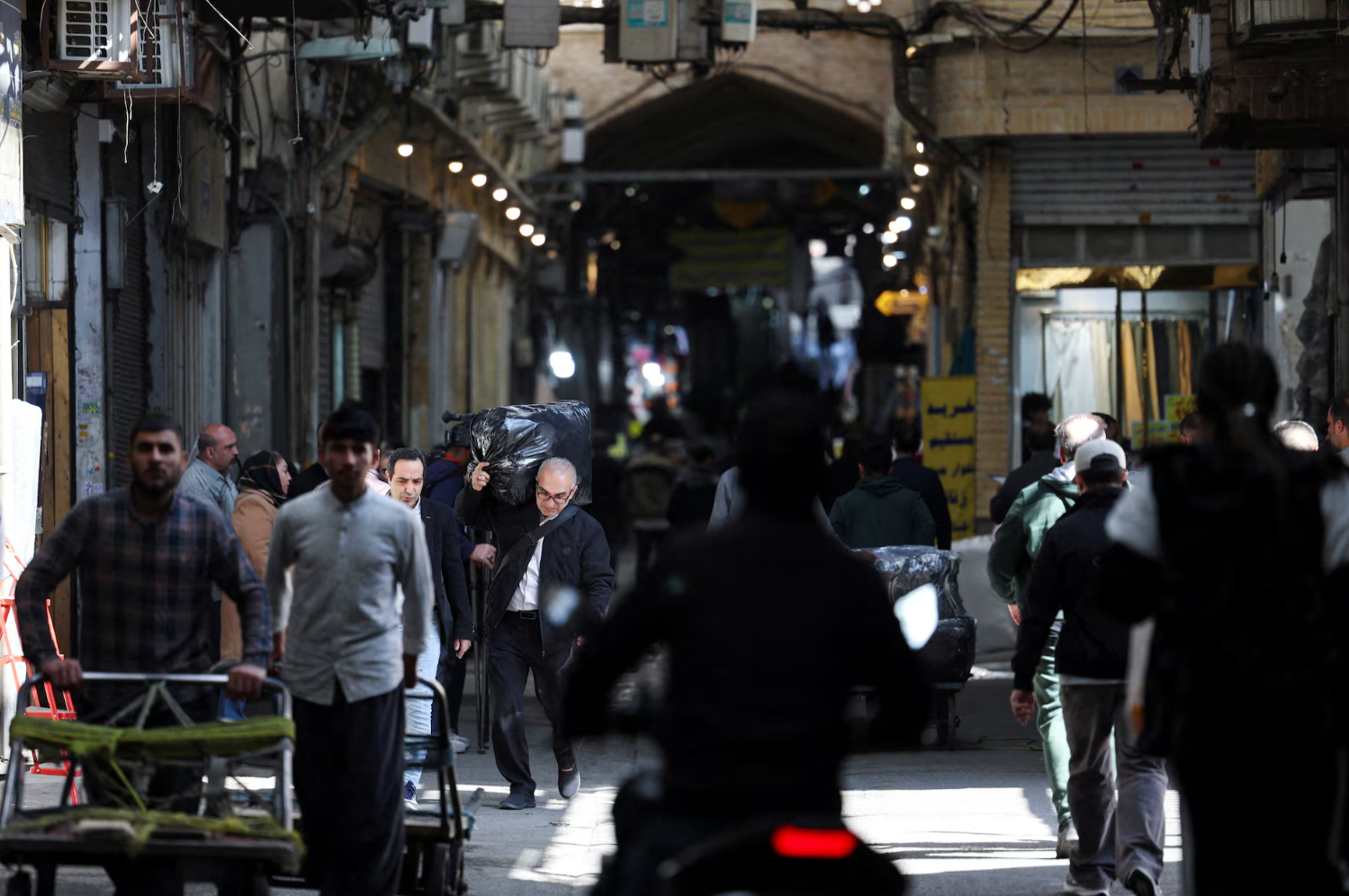 >Tehran's Grand Bazaar alleys, largely shuttered with reduced customer traffic amid war-driven price surges and economic strain. Shops closed and traders struggling after nearly three weeks of conflict Credits: Reuters /Alaa Al Marjani
 > Iran Inflation Rate
Interactive chart Trading Economics
> Iran Inflation Rate
Interactive chart Trading Economics
The Iranian economy is in shambles, with its currency, the rial, having lost about 57% of its value (open market) over the past six months, with USD/IRR rates ranging from approximately $800,000 to $1 million in September 2025 to around $1.30 million to $1.56 million. (open market sell ~1,562,000 as of March 20, 2026). Inflation rates are skyrocketing, with the annual Consumer Price Index at around 46-48% and point-to-point inflation near 62%-68% largely due to the ripple effects of war disrupting supply chains. Prices for everyday items, such as bread, milk, and fuel, have skyrocketed, making it hard for many families to meet even their most basic needs. Nowhere is the result of this crisis more visible than in the Grand Bazaar of Tehran, where many shops have locked their doors and many traders cannot continue doing business; once-busy alleyways are empty of merchants and once store shelves have been heavily affected by price increases after nearly three weeks of war.
Long-term structural issues are the foundation of this crisis. The Iranian economy is predicated on oil income, but sanctions have severely hampered its ability to access international markets and credit. Massive state-owned enterprises dominate the key segments of the Iranian economy, and there has not been a significant amount of investment into either infrastructure or domestic manufacturing for many years. The Iranian government has been using its inflationary funding (printing currency) to offset its budget deficit, which further exacerbated the inflation problem, and the restrictions on imports have pushed prices higher, particularly on imported goods.
These factors are contributing to high levels of social unrest. In recent months, protests against rising costs and declining purchasing power have occurred throughout Iran's largest cities, and the number of protests has increased in size and frequency since the onset of the war. Wages remain stagnant, and unemployment is high and Iranian families are finding it increasingly difficult to afford the cost of staples. Analysts are warning that inflation, weak currency, and a lack of investment in the Iranian economy are likely to persist even after the conflict ends if there are not substantial changes to economic policy.
In addition, the energy sector in Iran that historically produced large revenue streams for the government has also been upended. The inability to export oil affects the Iranian government's finances and its ability to invest in new ventures, and higher prices for energy on the world market increase inflation in other parts of the world
Unless the Iran government implements significant structural reforms or gains relief from sanctions, the economic challenges facing Iran are unlikely to ease, and average Iranians will continue to be the ones most affected by rising prices, currency instability, and social unrest.
Sources:
Reuters. War hits Tehran’s Grand Bazaar as prices surge and shops shut, 18 Mar 2026. Link
Washington Post Opinion. When the Iran war ends, the mullahs will be broke. 17 Mar 2026 Link
Report Misclassification
Why is this post incorrectly classified?
Comments
3 commentshttps://www.reddit.com/r/Economics/comments/1ryjak5/irans_rial_falls_to_156_million_per_usd_open/
https://www.reddit.com/r/ProgressiveHQ/comments/1ryowrl/shops_closing_crushing_inflation_and_currency/
This post has been shared on Reddit by @theworldaroundme, @davideownzall through the HivePosh initiative.
War is hell on men in service, but also on civilians the extremity emerges and confronts them. Let's hope that this crisis ends quickly and the Iranian and other peoples of the ME can restore economic stability.
Thanks!
Agreed. Thank you.