Login with Hive Keychain
Enter your Hive username to sign in securely.
Welcome to HiveComb
HiveComb runs on Hive — an open, decentralized blockchain where your posts, votes, and communities belong to you, not a company. To get started, follow these steps:
Create a Hive account
Set up your free account — it only takes a minute.
Install Hive Keychain
A browser extension that securely signs your transactions — your keys never leave your device.
Refresh & log in
Once Keychain is installed, refresh this page and click Login again.
Need help? Join our Discord and we'll help you get set up.
No account? Create one
Having trouble creating your account? Come to our Discord and we'll get you set up.












































No posts found
Try adjusting your filters or wait for the worker to classify more posts.
 @steemychicken1
· Mar 27 08:22 PM
@steemychicken1
· Mar 27 08:22 PM
 @stefan.molyneux
· Mar 27 08:21 PM
@stefan.molyneux
· Mar 27 08:21 PM
 @bulkathos
· Mar 27 08:19 PM
@bulkathos
· Mar 27 08:19 PM
 @cadawg
· Mar 27 08:12 PM
@cadawg
· Mar 27 08:12 PM
 @tonyes
· Mar 27 08:11 PM
@tonyes
· Mar 27 08:11 PM
 @afrikens
· Mar 27 08:11 PM
@afrikens
· Mar 27 08:11 PM
 @heroldius
· Mar 27 08:08 PM
@heroldius
· Mar 27 08:08 PM
 @erizodemar
· Mar 27 08:07 PM
@erizodemar
· Mar 27 08:07 PM
 @suezoe
· Mar 27 08:02 PM
@suezoe
· Mar 27 08:02 PM
 @actifit-godfish
· Mar 27 08:02 PM
@actifit-godfish
· Mar 27 08:02 PM
 @kingsleyy
· Mar 27 08:01 PM
@kingsleyy
· Mar 27 08:01 PM
 @mes
· Mar 27 08:01 PM
@mes
· Mar 27 08:01 PM
 @stefany0720
· Mar 27 07:59 PM
@stefany0720
· Mar 27 07:59 PM
 @vladimirmf
· Mar 27 07:58 PM
@vladimirmf
· Mar 27 07:58 PM
 @lesmann
· Mar 27 07:56 PM
@lesmann
· Mar 27 07:56 PM
 @awesomegames007
· Mar 27 07:55 PM
@awesomegames007
· Mar 27 07:55 PM
 @catotune
· Mar 27 07:54 PM
@catotune
· Mar 27 07:54 PM
 @sk1920
· Mar 27 07:53 PM
@stefan.molyneux
· Mar 27 07:53 PM
@sk1920
· Mar 27 07:53 PM
@stefan.molyneux
· Mar 27 07:53 PM
 @josepimpo
· Mar 27 07:50 PM
@josepimpo
· Mar 27 07:50 PM
 @venapboyz
· Mar 27 07:47 PM
@venapboyz
· Mar 27 07:47 PM
 @abeegail
· Mar 27 07:46 PM
@abeegail
· Mar 27 07:46 PM
 @master-lamps
· Mar 27 07:45 PM
@master-lamps
· Mar 27 07:45 PM
 @intishar
· Mar 27 07:41 PM
@intishar
· Mar 27 07:41 PM
 @seckorama
· Mar 27 07:40 PM
@seckorama
· Mar 27 07:40 PM
 @nelsoncu
· Mar 27 07:40 PM
@nelsoncu
· Mar 27 07:40 PM
 @archiveauto1
· Mar 27 07:38 PM
@archiveauto1
· Mar 27 07:38 PM
 @sequentialvibe
· Mar 27 07:37 PM
@sequentialvibe
· Mar 27 07:37 PM
 @sayago
· Mar 27 07:33 PM
@sayago
· Mar 27 07:33 PM
 @michaelreischer
· Mar 27 07:33 PM
@michaelreischer
· Mar 27 07:33 PM
 @sweetval
· Mar 27 07:32 PM
@archiveauto1
· Mar 27 07:28 PM
@sweetval
· Mar 27 07:32 PM
@archiveauto1
· Mar 27 07:28 PM
 @sarahbaby
· Mar 27 07:28 PM
@sarahbaby
· Mar 27 07:28 PM
 @danielajna
· Mar 27 07:27 PM
@danielajna
· Mar 27 07:27 PM
 @travelfeed
· Mar 27 07:25 PM
@travelfeed
· Mar 27 07:25 PM
 @scipio
· Mar 27 07:19 PM
@scipio
· Mar 27 07:19 PM
 @manuvert
· Mar 27 07:19 PM
@archiveauto1
· Mar 27 07:19 PM
@manuvert
· Mar 27 07:19 PM
@archiveauto1
· Mar 27 07:19 PM
 @lanoican
· Mar 27 07:18 PM
@lanoican
· Mar 27 07:18 PM
 @tezzmax
· Mar 27 07:16 PM
@tezzmax
· Mar 27 07:16 PM
 @madeirane
· Mar 27 07:16 PM
@madeirane
· Mar 27 07:16 PM
 @bucipuci
· Mar 27 07:15 PM
@bucipuci
· Mar 27 07:15 PM
 @my-art-way
· Mar 27 07:11 PM
@my-art-way
· Mar 27 07:11 PM
 @maxdm
· Mar 27 07:10 PM
@maxdm
· Mar 27 07:10 PM
 @kc6729
· Mar 27 07:08 PM
@kc6729
· Mar 27 07:08 PM
 @wahaceggy
· Mar 27 07:07 PM
@archiveauto1
· Mar 27 07:07 PM
@wahaceggy
· Mar 27 07:07 PM
@archiveauto1
· Mar 27 07:07 PM
 @newbreed
· Mar 27 07:05 PM
@newbreed
· Mar 27 07:05 PM
 @marrying
· Mar 27 07:05 PM
@marrying
· Mar 27 07:05 PM
 @daryh
· Mar 27 07:00 PM
@daryh
· Mar 27 07:00 PM
 @sanchesito
· Mar 27 07:00 PM
@sanchesito
· Mar 27 07:00 PM
 @pivx
· Mar 27 06:57 PM
@pivx
· Mar 27 06:57 PM
 @iscrak
· Mar 27 06:55 PM
@iscrak
· Mar 27 06:55 PM
 @anlifit
· Mar 27 06:47 PM
@anlifit
· Mar 27 06:47 PM
 @alexanderfluke
· Mar 27 06:47 PM
@alexanderfluke
· Mar 27 06:47 PM
 @vesytz
· Mar 27 06:44 PM
@vesytz
· Mar 27 06:44 PM
 @ikigaidesign
· Mar 27 06:44 PM
@ikigaidesign
· Mar 27 06:44 PM
 @cagolistic
· Mar 27 06:44 PM
@cagolistic
· Mar 27 06:44 PM
 @colintalkscrypto
· Mar 27 06:44 PM
@mes
· Mar 27 06:40 PM
@colintalkscrypto
· Mar 27 06:44 PM
@mes
· Mar 27 06:40 PM
No posts found
Try adjusting your filters or wait for the worker to classify more posts.
@steemychicken1
· Mar 27 08:22 PM
Olio di Balenafinance
@stefan.molyneux
· Mar 27 08:21 PM
philosophysocial-issues
@bulkathos
· Mar 27 08:19 PM
Shadow Hunterstravel
@cadawg
· Mar 27 08:12 PM
Strive4Hiveoutdoor-sports
@tonyes
· Mar 27 08:11 PM
Full Deporteswritingdiy-crafts
@afrikens
· Mar 27 08:11 PM
Hive Learnerseducationphilosophy
@heroldius
· Mar 27 08:08 PM
StreetArtart
@erizodemar
· Mar 27 08:07 PM
Liketuwritingeducation
@suezoe
· Mar 27 08:02 PM
HiveArtewriting
@actifit-godfish
· Mar 27 08:02 PM
Actifithealth-fitness
@kingsleyy
· Mar 27 08:01 PM
The Comedy Clubspirituality
@mes
· Mar 27 08:01 PM
politicsprecious-metals
@stefany0720
· Mar 27 07:59 PM
DIYHubdiy-crafts
@vladimirmf
· Mar 27 07:58 PM
LeoFinancediy-crafts
@lesmann
· Mar 27 07:56 PM
We Are Alive Tribenature
@awesomegames007
· Mar 27 07:55 PM
Actifithealth-fitness
@catotune
· Mar 27 07:54 PM
gaming
@sk1920
· Mar 27 07:53 PM
Actifitwritingtravel
@stefan.molyneux
· Mar 27 07:53 PM
video
@josepimpo
· Mar 27 07:50 PM
Alientocryptotravel
@venapboyz
· Mar 27 07:47 PM
LeoFinancehive
@abeegail
· Mar 27 07:46 PM
CineTVmovies-tv
@master-lamps
· Mar 27 07:45 PM
We Are Alive Tribecrypto
@intishar
· Mar 27 07:41 PM
Indiaunitedhive
@seckorama
· Mar 27 07:40 PM
Musicmusic
@nelsoncu
· Mar 27 07:40 PM
music
@archiveauto1
· Mar 27 07:38 PM
hive
@sequentialvibe
· Mar 27 07:37 PM
music
@sayago
· Mar 27 07:33 PM
Photography Loversphotography
@michaelreischer
· Mar 27 07:33 PM
Deutsch D-A-CHhive
@sweetval
· Mar 27 07:32 PM
GEMSwriting
@archiveauto1
· Mar 27 07:28 PM
hive
@sarahbaby
· Mar 27 07:28 PM
Feathered Friendshomesteadingpets
@danielajna
· Mar 27 07:27 PM
Lifestylediy-crafts
@travelfeed
· Mar 27 07:25 PM
TravelFeedtravel
@scipio
· Mar 27 07:19 PM
StemSocialai
@manuvert
· Mar 27 07:19 PM
Actifithealth-fitness
@archiveauto1
· Mar 27 07:19 PM
hive
@lanoican
· Mar 27 07:18 PM
Foodies Bee Hivefood
@tezzmax
· Mar 27 07:16 PM
Sketchbookart
@madeirane
· Mar 27 07:16 PM
Worldmappintravel
@bucipuci
· Mar 27 07:15 PM
TravelFeedphotography
@my-art-way
· Mar 27 07:11 PM
Dagamersvideogaming
@maxdm
· Mar 27 07:10 PM
music
@kc6729
· Mar 27 07:08 PM
Hive Learnersphilosophy
@wahaceggy
· Mar 27 07:07 PM
EXHAUSToutdoor-sports
@archiveauto1
· Mar 27 07:07 PM
hive
@newbreed
· Mar 27 07:05 PM
The Ink Wellwriting
@marrying
· Mar 27 07:05 PM
MCGI Cares Hivespirituality
@daryh
· Mar 27 07:00 PM
PhotoFeedphotography
@sanchesito
· Mar 27 07:00 PM
Skate Hypevideo
@pivx
· Mar 27 06:57 PM
cryptofinance
@iscrak
· Mar 27 06:55 PM
StreetArtart
@anlifit
· Mar 27 06:47 PM
Actifithealth-fitness
@alexanderfluke
· Mar 27 06:47 PM
Black And Whitephotography
@vesytz
· Mar 27 06:44 PM
nature
@ikigaidesign
· Mar 27 06:44 PM
Hive Foodfood
@cagolistic
· Mar 27 06:44 PM
SciFi Multiversephilosophysocial-issues
@colintalkscrypto
· Mar 27 06:44 PM
cryptofinance
@mes
· Mar 27 06:40 PM
video
No posts found
Try adjusting your filters or wait for the worker to classify more posts.
Welcome to HiveComb!
Choose your default filters to see the content you care about most.
Languages
Categories
Sentiment
How Is Greece Performing?
Greece’s economy seems to be doing better than ever. Or at least… that’s what the numbers suggest.
Because when I look a bit deeper, I see that the reality is more complex.
I want to understand what’s happening with the budget, what the new “green light” from Europe really means, and what the IMF is saying about Greece…
BUDGET 2026
I’ll start with the state budget.
And here, the news is… impressive.
For the first two months of 2026, Greece recorded a primary surplus of €2.99 billion. That’s significantly higher than the target. In simple terms, the government brought in more than it spent.
So far, so good.
But for me, the issue isn’t just WHAT the economy achieved, but HOW it achieved it.
I see that tax revenues came in lower than expected. That means the state didn’t collect more money. Instead, what really happened is that spending was much lower than anticipated.
And why did that happen?
Because many payments were pushed back, and there was also a significant delay in investment spending.
In other words, the picture looks good… but it’s not as “clean” as it first appears. This isn’t a surplus driven by explosive growth. To a large extent, it comes from restrained spending.
€1.18 BILLION INTO THE ECONOMY
Now I move to something more clearly positive.
The European Commission gave the “green light” for the disbursement of €1.18 billion to Greece from the Recovery Fund. And here we’re talking about real money flowing into the economy.
In total, Greece has now received over €24.5 billion, which is more than 68% of the total budget of the “Greece 2.0” program.
And this money isn’t going just anywhere. It’s being directed into very specific areas. Into hospitals and healthcare centers. Into the digital transformation of the state, with new systems and equipment. Into energy reforms. Into social support, such as aid for people with disabilities. And of course, into loans for businesses and housing programs.
So here I see something very important.
Beyond the “accounting” surpluses, there is real capital flowing into the economy. And that’s what drives long term growth.
WHAT THE IMF SAYS
And at this point… the IMF steps in and does something it doesn’t often do.
It gives praise. And not just praise… it talks about “major achievements.”
Greece’s public debt has fallen by 65 percentage points in five years, down to 145% of GDP.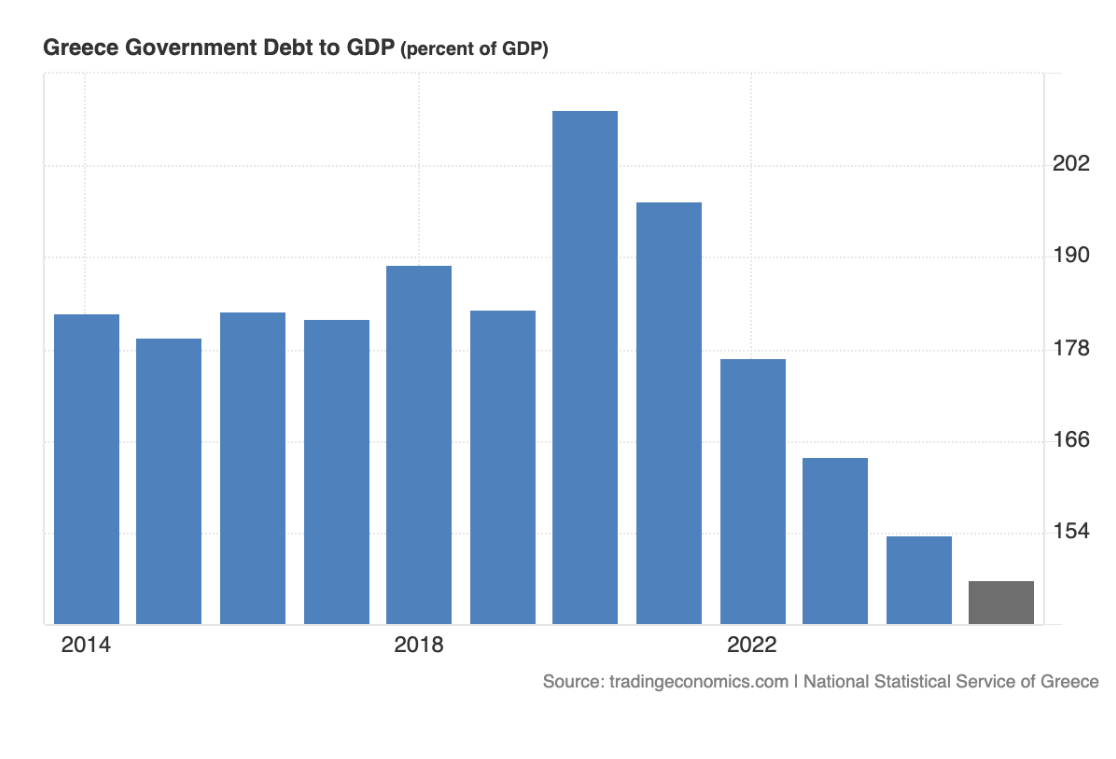
The primary surplus exceeded 4% of GDP. Unemployment is at its lowest level since 2008.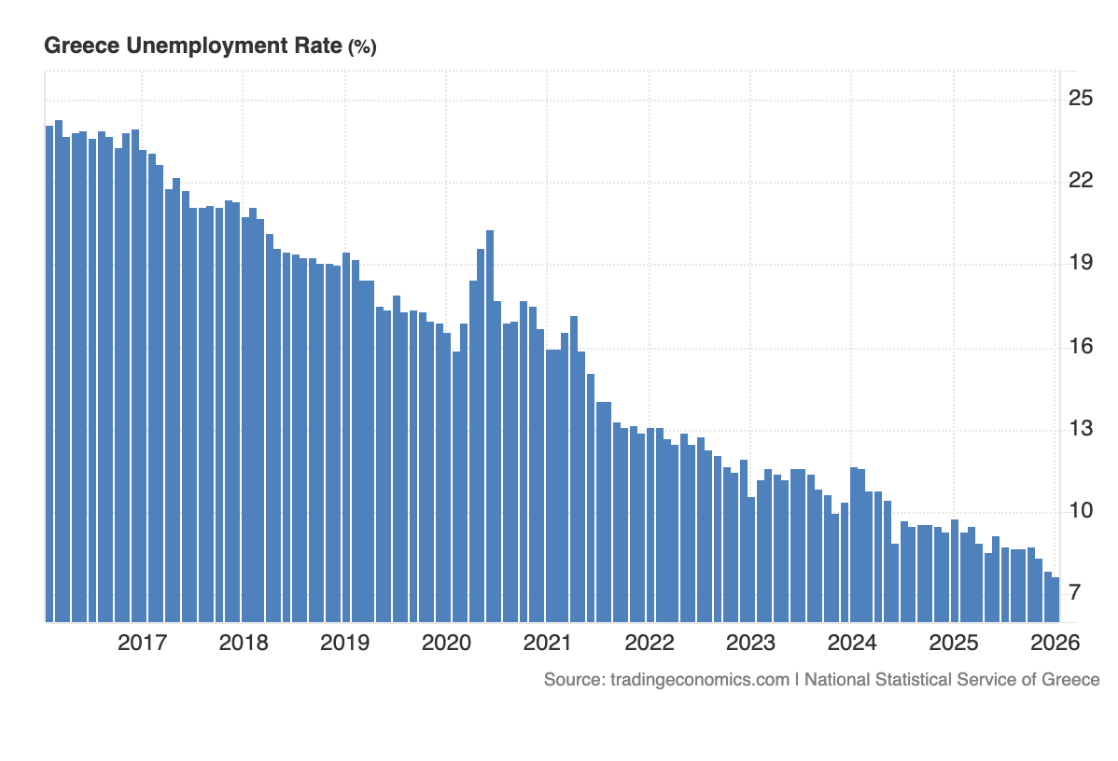
And tourism is breaking records.
For an organization like the IMF, which is usually strict, this is significant. But there is still a big “but.”
The IMF itself says clearly: “The surpluses are good… but now I want to see improvement in people’s wallets.”
And this is where the game changes.
Because Greece has moved past the stabilization phase. Now it’s entering the quality of life phase. The IMF suggests tax changes so inflation doesn’t erode incomes.
It also suggests better targeting of support measures. And overall, it says something very simple: it’s not enough for the economy to look good on paper, I need to feel it in my daily life.
INVESTMENT VIEW
Now I connect everything:
I have a surplus.
I have inflows of European capital.
I have international organizations saying “well done.”
And on top of that, Greece seems more resilient than other European countries, even during energy crises.
In other words…
Greece today is in a much better position than I thought.
Not perfect. But definitely better.
Report Misclassification
Why is this post incorrectly classified?
Comments
1 comment